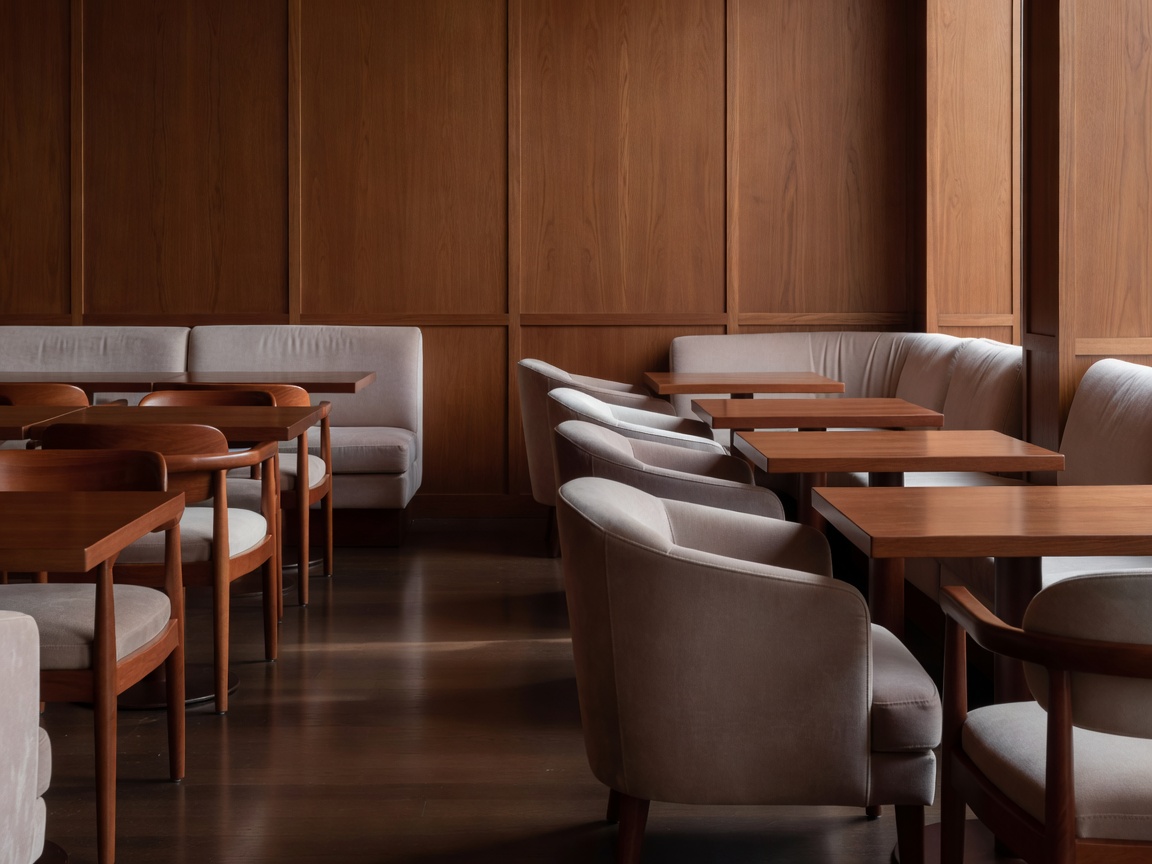
Dining etiquette is best approached as attention to the people and place around you, not a rigid test. Practices vary by restaurant, chef, location, and meal format. A small sushi counter in Japan may have different expectations from a larger international restaurant serving an omakase menu. The restaurant’s own guidance takes precedence over general advice.
Before the reservation
Read booking details carefully. Check the menu format, seating, cancellation terms, arrival instructions, and whether the restaurant can accommodate allergies or dietary restrictions. Communicate requirements early and clearly. Name the ingredient and explain whether the concern is an allergy, intolerance, religious restriction, or preference. If the kitchen cannot safely meet a need, it is better to know before committing.
Ask about accessibility needs, language support, beverage options, and menu inclusions when relevant. Do not assume a counter is accessible simply because it appears open, or that every restaurant offers the same seating alternatives. Share practical requirements directly with staff so they can explain what is possible.
At the counter
Arrive at the time requested. Some counter services are paced for a particular seating, and late arrival may affect the meal or the restaurant’s schedule. Keep conversation at a considerate volume and be mindful of the limited space. Ask questions respectfully when there is a natural pause; a chef may be preparing several guests’ courses, so a concise question is often easiest to answer.
Follow the restaurant’s direction on chopsticks, hand towels, and serving dishes. Chopsticks should be used thoughtfully and not waved around or used to point. Avoid sticking them upright into rice or passing food from one pair of chopsticks to another, gestures commonly associated with funeral rites in Japan. If you are uncertain, place chopsticks on the rest or follow the example set by staff. There is no need to feel embarrassed about asking.
Soy sauce, nigiri, and pace
Some nigiri is already seasoned by the chef; other pieces may be accompanied by soy sauce or another condiment. Follow the guidance offered. If dipping is appropriate, a small amount is usually enough. Avoid letting rice soak up sauce if the piece is intended to remain balanced. Some guests eat nigiri with their fingers, while others use chopsticks; use what feels comfortable and fits the restaurant’s direction.
Eat at a steady pace and allow the service to guide you, especially when pieces are served one at a time. If you need a pause, have a question about an ingredient, or are becoming full, tell staff politely. The best pace is one that works for the guest and service, not a rule that must be followed everywhere.
Photography, phones, and fragrance
Ask before photographing staff or other guests, and check whether food photography is permitted. Some restaurants welcome discreet pictures; others limit photography to protect privacy, concentration, or service. Do not use flash or hold up service. Keep phone conversations away from the counter and silence notifications where practical. Strong fragrance can affect how neighboring guests experience food, so a light touch with perfume or scented products is considerate in a close dining room.
Reservations, payment, and tipping
Cancellation and late-arrival policies differ. Review the terms when booking and contact the restaurant if plans change. Tipping practices vary by country and establishment. In Japan, tipping is not generally expected in many dining settings, while restaurants in other countries may include service charges or follow local tipping customs. Check the bill and local guidance rather than assuming one practice applies everywhere.
First-visit checklist
- Review the restaurant’s official booking information and requested arrival time.
- Communicate allergies and dietary restrictions in advance.
- Ask about menu format, inclusions, price, and expected duration.
- Follow the restaurant’s guidance for soy sauce and other condiments.
- Ask before photographing staff or other guests.
- Respect the pace of service and ask questions when appropriate.
Choosing an experience
Compare whether a menu is sushi-focused or broader, whether seating is at a counter or table, and how much dietary flexibility is available. Check accessibility, language support, reservation conditions, price transparency, and beverage options. Look for the restaurant’s own published guidance; third-party descriptions may be incomplete or out of date. Current menu, prices, opening hours, and policies should be confirmed directly.
Choose a shorter or more focused format if you want a first introduction or have limited time. A longer progression may suit guests who enjoy a broad sequence and can comfortably spend more time at the table. These are practical considerations, not judgments about which experience is better.
Good for
- First-time counter diners who want a calm preparation checklist.
- Travelers comparing dining formats across countries.
- Guests who want to communicate needs clearly and respectfully.
What to know
- Etiquette varies; follow the restaurant’s instructions rather than treating general advice as law.
- Raise allergy and accessibility needs before booking whenever possible.
- Local tipping customs and restaurant policies differ by location.
For more context, read our omakase dining guide, tasting-menu guide, and sushi technique explainer.