
What seasonality can mean
An ingredient described as seasonal may be at a particular point in its natural cycle, newly available from a source, or especially suited to a preparation at that moment. The term is contextual. It does not prove that an ingredient is local, sustainably sourced, or available only briefly. If provenance matters to you, ask the restaurant what it can share about the source and menu.
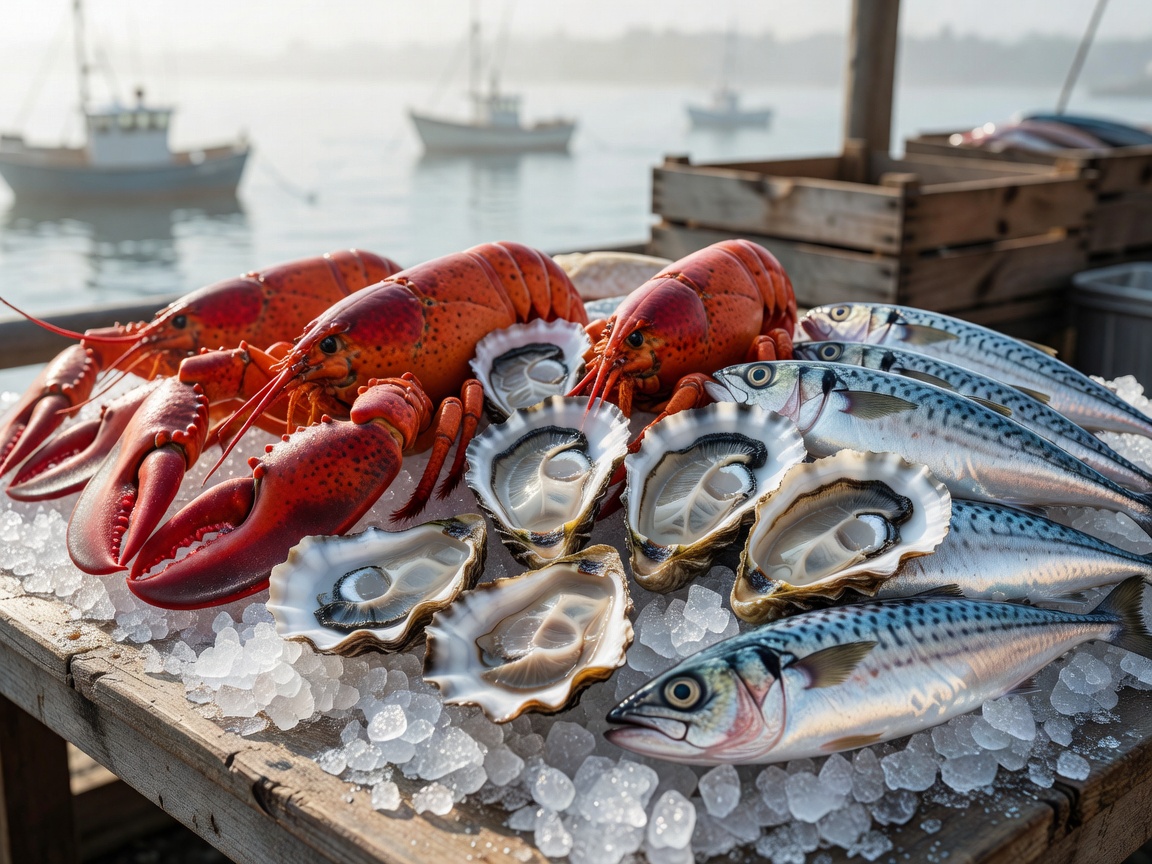
Seasonal seafood may be selected for its condition, flavor, or texture; the chef may serve it raw, cooked, cured, or preserved. Availability can shift, so a menu may change without notice. Fish names and sourcing can also be presented differently across places. Do not assume a dish’s origin from its appearance alone.
Five ingredient approaches
| Ingredient group | How a chef might approach it | Trade-off |
|---|---|---|
| Fresh seafood | Choose preparation to suit the ingredient and condition. | Availability and menu details may be less predictable. |
| Preserved foods | Use curing, drying, pickling, or other preservation to concentrate or extend flavor. | Salt, acidity, and texture can be more pronounced. |
| Vegetables | Highlight a seasonal texture through raw, simmered, grilled, or pickled preparations. | Options depend on supply and the menu's style. |
| Fermented seasonings | Use miso, soy sauce, or other fermented seasonings to add depth. | Flavor intensity and ingredients vary; check allergens. |
| Rice and foundations | Build the meal around rice, vinegar, seaweed, broth, or other staples. | Foundational ingredients can be less visibly seasonal but remain central. |
More than seafood
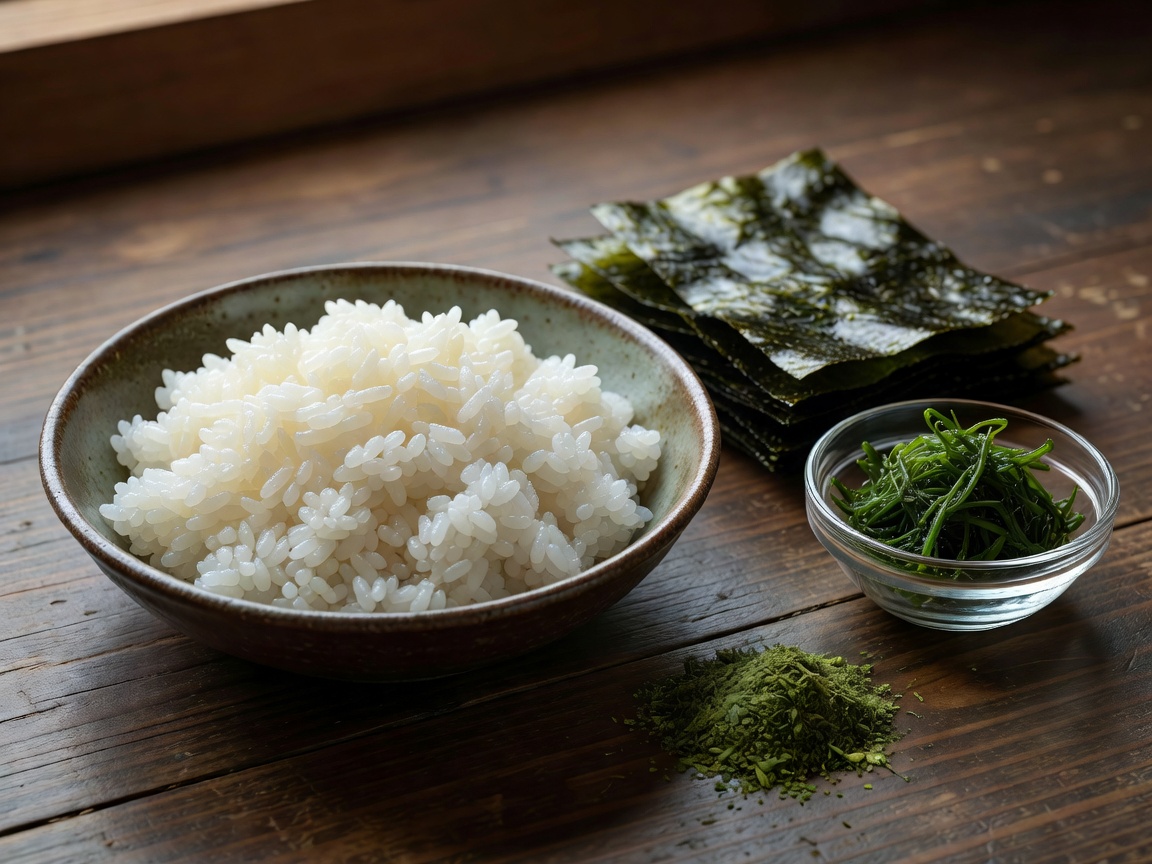
Rice is a central foundation in many meals, from sushi rice seasoned with vinegar to plain rice served with other dishes. Rice variety, cooking, and seasoning influence texture and flavor. Seaweed may appear as nori around rolled sushi or in other preparations. Soy-based seasonings, including soy sauce and miso, bring salt and savory depth; fermentation describes a process that transforms ingredients over time. Vinegar contributes acidity and is also important in sushi rice.
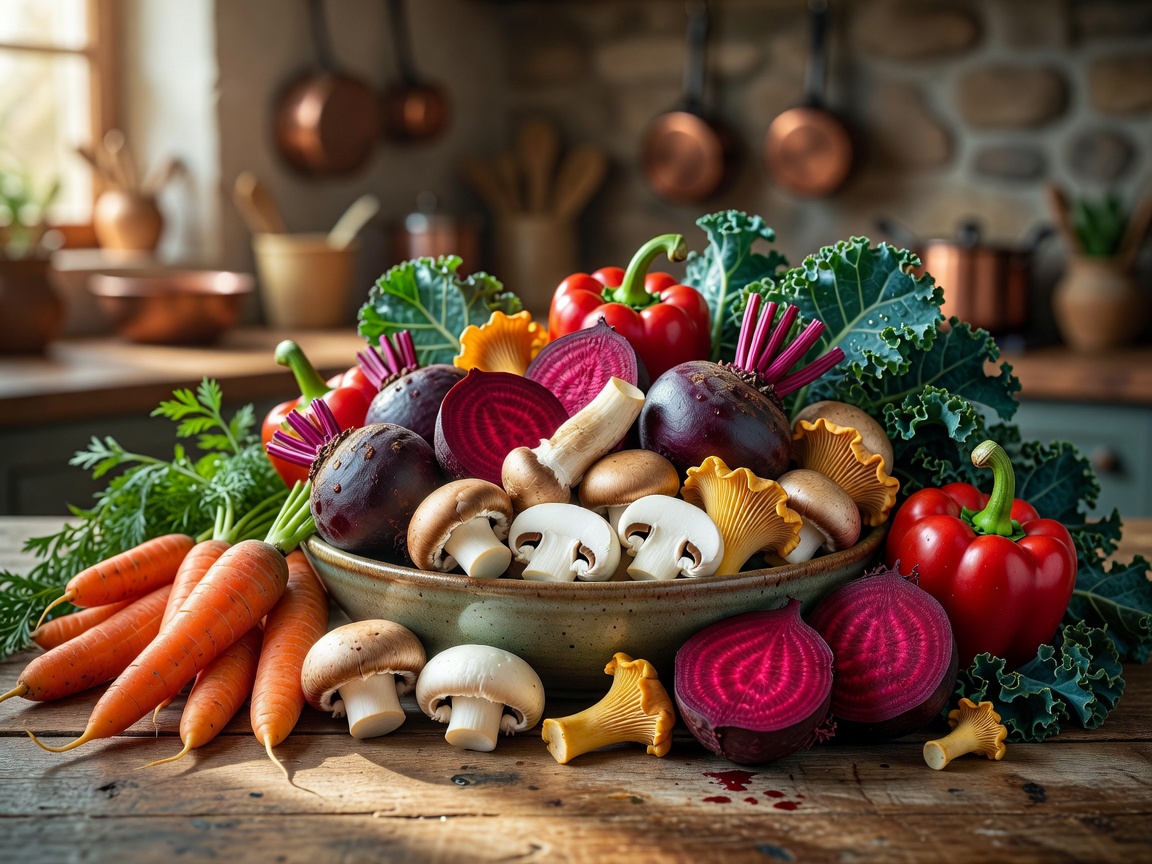
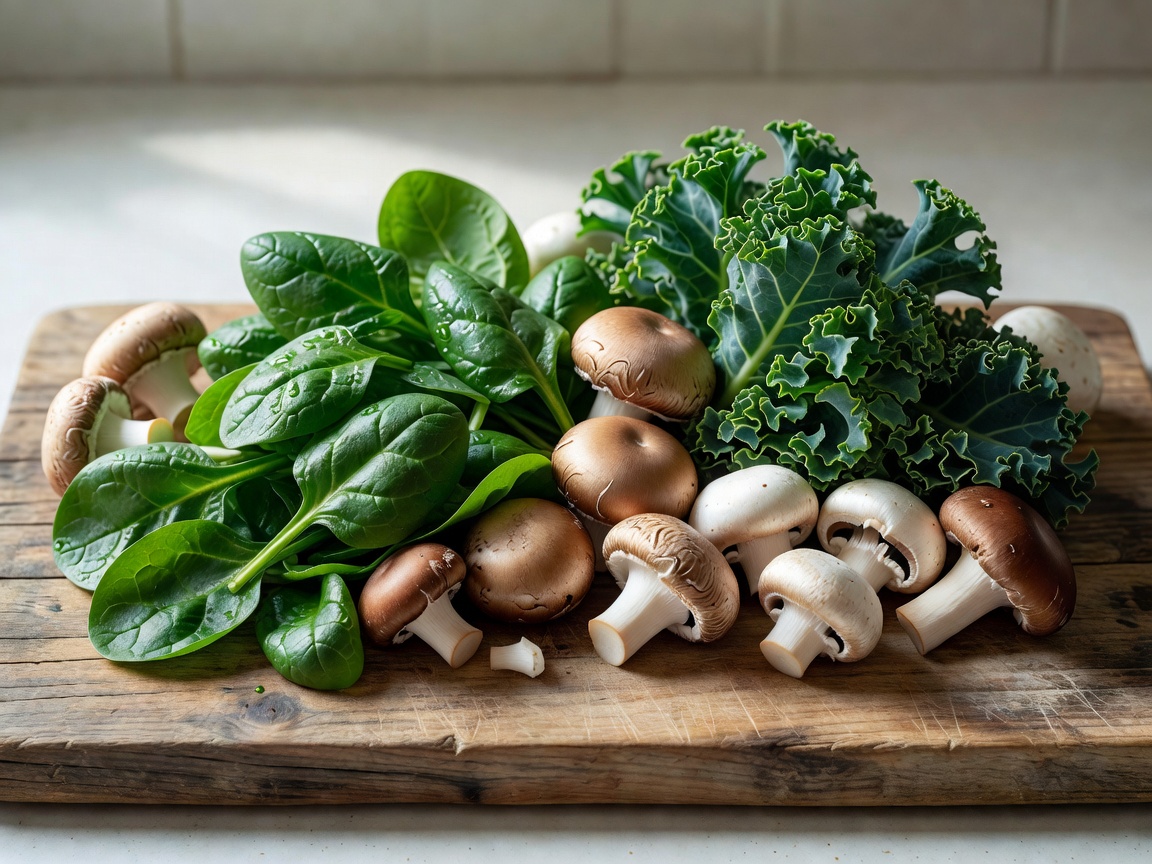
Wasabi offers a sharp, aromatic heat, while Japanese citrus can bring fragrance and brightness. Mushrooms, bamboo shoots, root vegetables, leafy greens, beans, tofu, and eggs offer a wide range of textures. Regional specialties and preserved ingredients may add a sense of place, though a restaurant’s sourcing should not be guessed from a dish name alone.
Why a menu changes
Ingredient availability can affect the chef’s sequence: a bright, crisp preparation may precede a richer dish; a broth or preserved element may provide contrast; rice and other foundations can give a meal shape. These are possible choices, not rules. A seasonal menu can offer variety and respond to what is available, but it may be less predictable for guests with narrow preferences. Guests with allergies or firm dietary needs should communicate early and ask whether the restaurant can safely accommodate them.
Seasonality is not a guarantee of sustainability or a health claim. It is useful to understand the choices behind a meal, while remaining open to the restaurant’s own explanation. Menus, sourcing, and practices vary; current details should be confirmed directly with the restaurant.
Seasonal ingredient checklist
- Ask which ingredients are changing or especially featured on the current menu.
- Check whether a menu can accommodate your allergy or dietary restriction.
- Ask about sourcing if origin is important to your choice.
- Expect that some dishes may change with availability.
- Notice differences in aroma, texture, acidity, and temperature—not just color.
Good for
- Guests interested in why a menu evolves through the year.
- Curious diners exploring ingredients beyond raw seafood.
- People who want to ask more informed questions about sourcing.
What to know
- “Seasonal” does not mean exclusive to one month or identical across regions.
- Preservation and fermentation are part of ingredient practice, not exceptions to seasonality.
- Ask the restaurant directly about current ingredients and allergens.
Continue to sushi technique, menu progression, and our omakase guide.