Possible parts of a progression
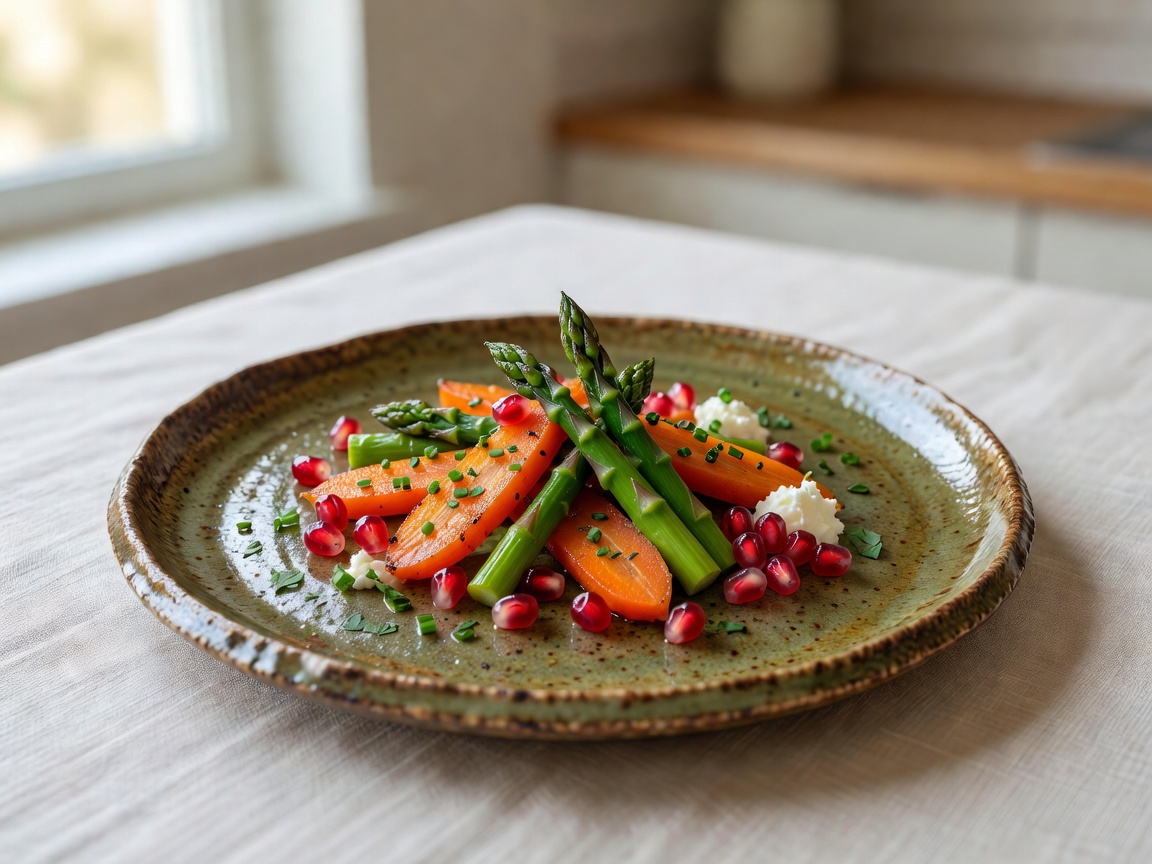
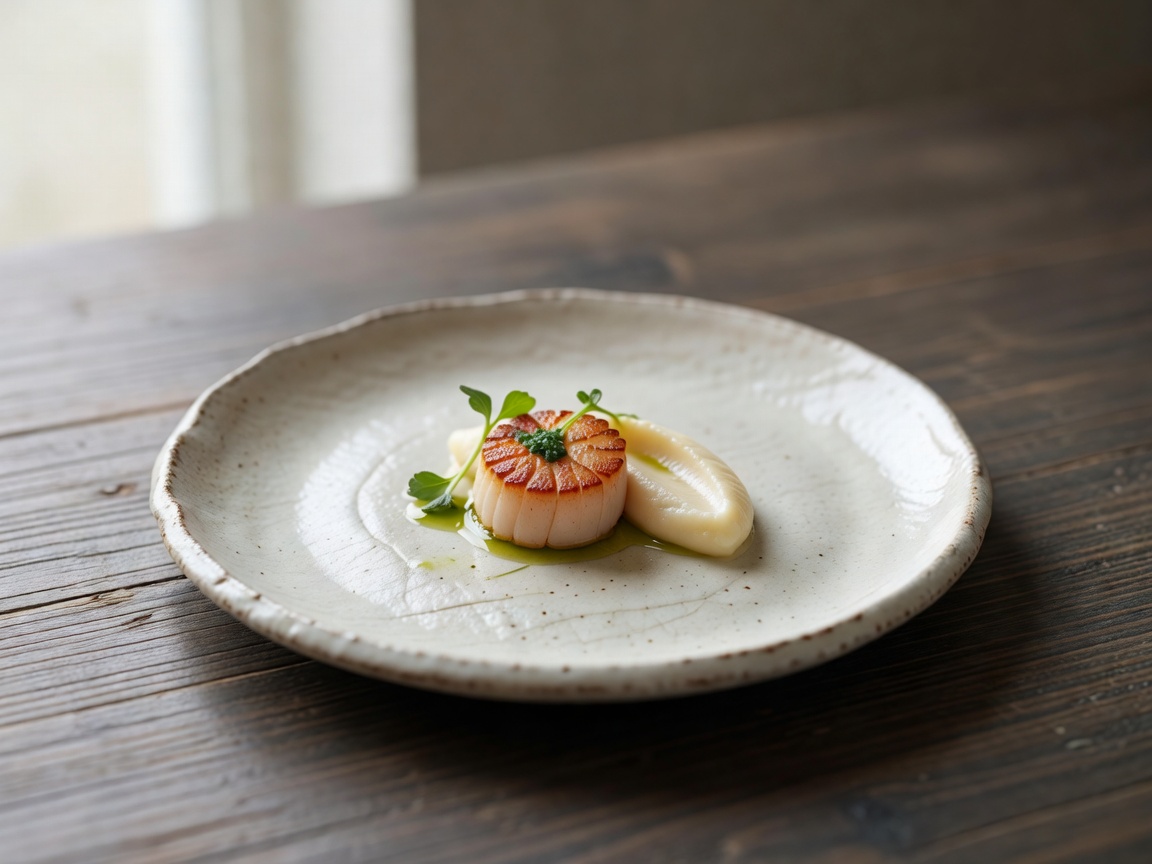
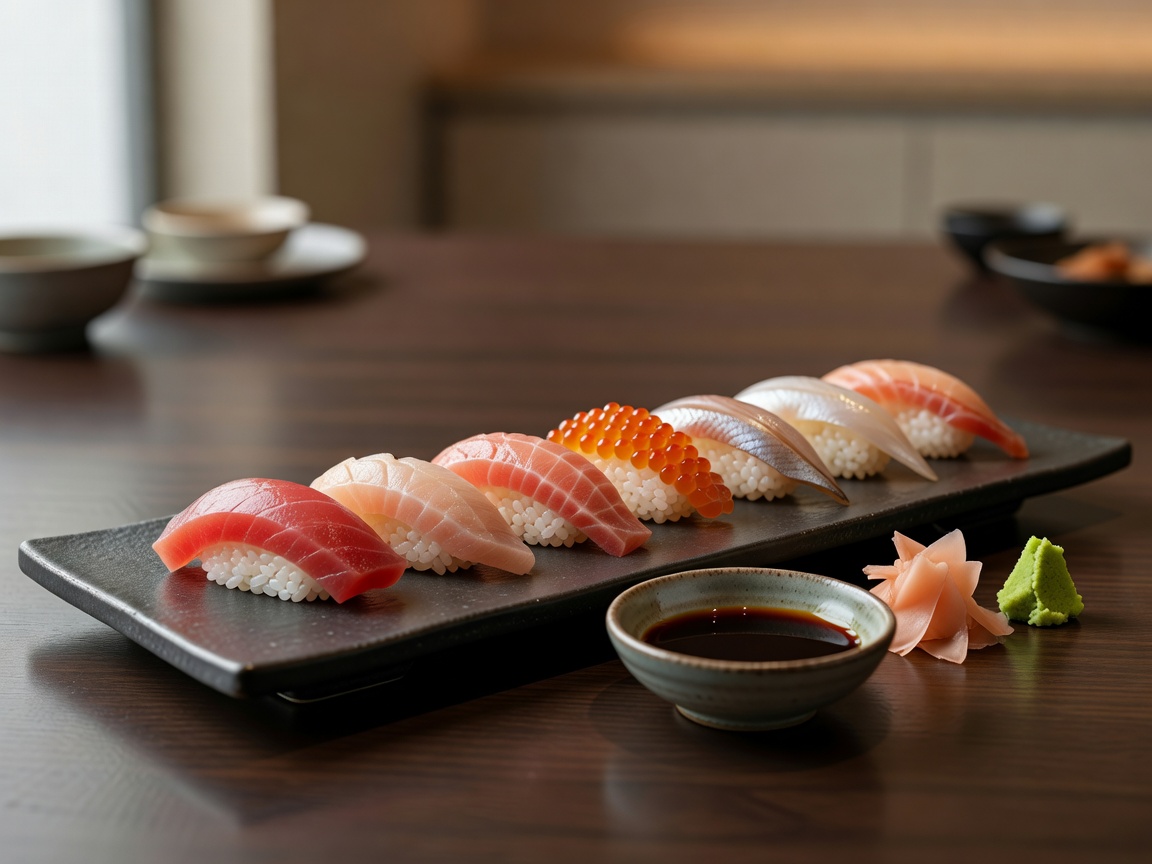
A meal may begin with a welcome bite or a small seasonal preparation. This can introduce an ingredient or set a tone without filling the guest too quickly. A sushi-focused menu might then move through nigiri and other forms, with a cooked dish or soup appearing between portions. A broader Japanese seasonal menu may include grilled, simmered, steamed, or preserved elements alongside rice and seafood.
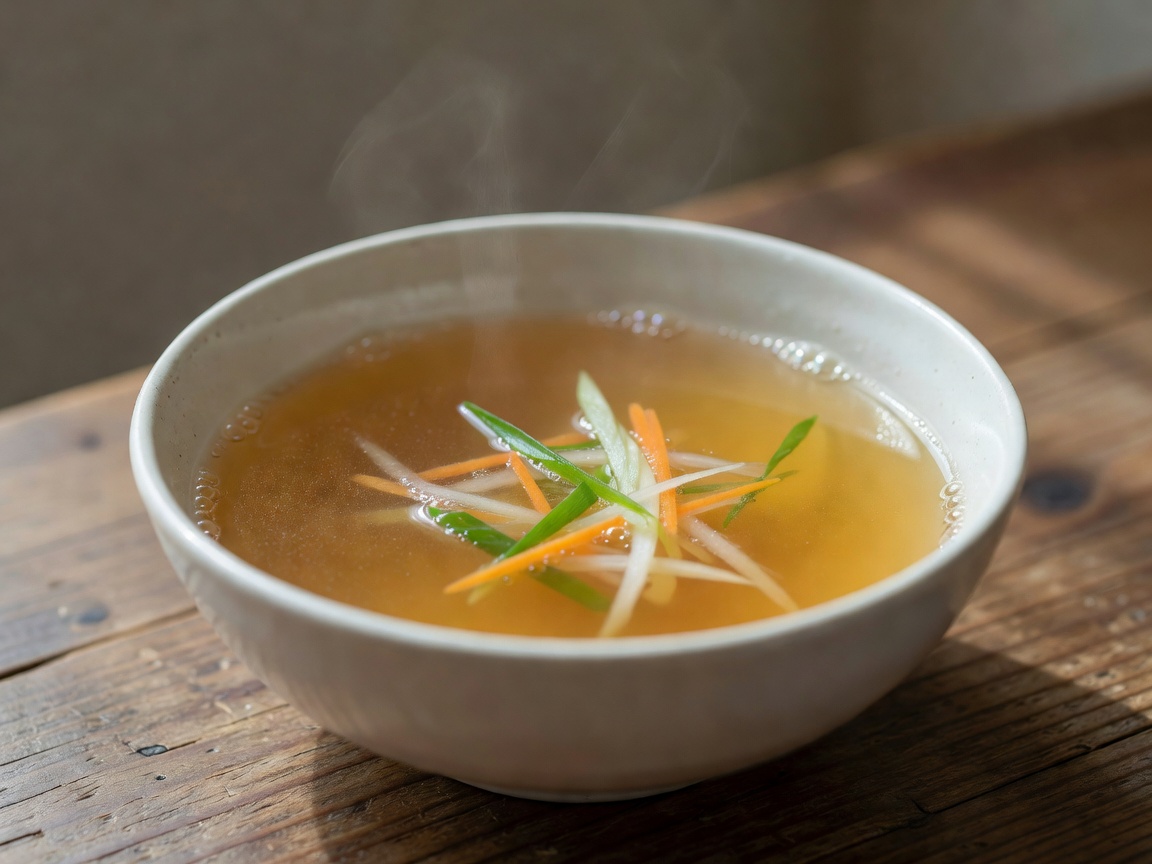
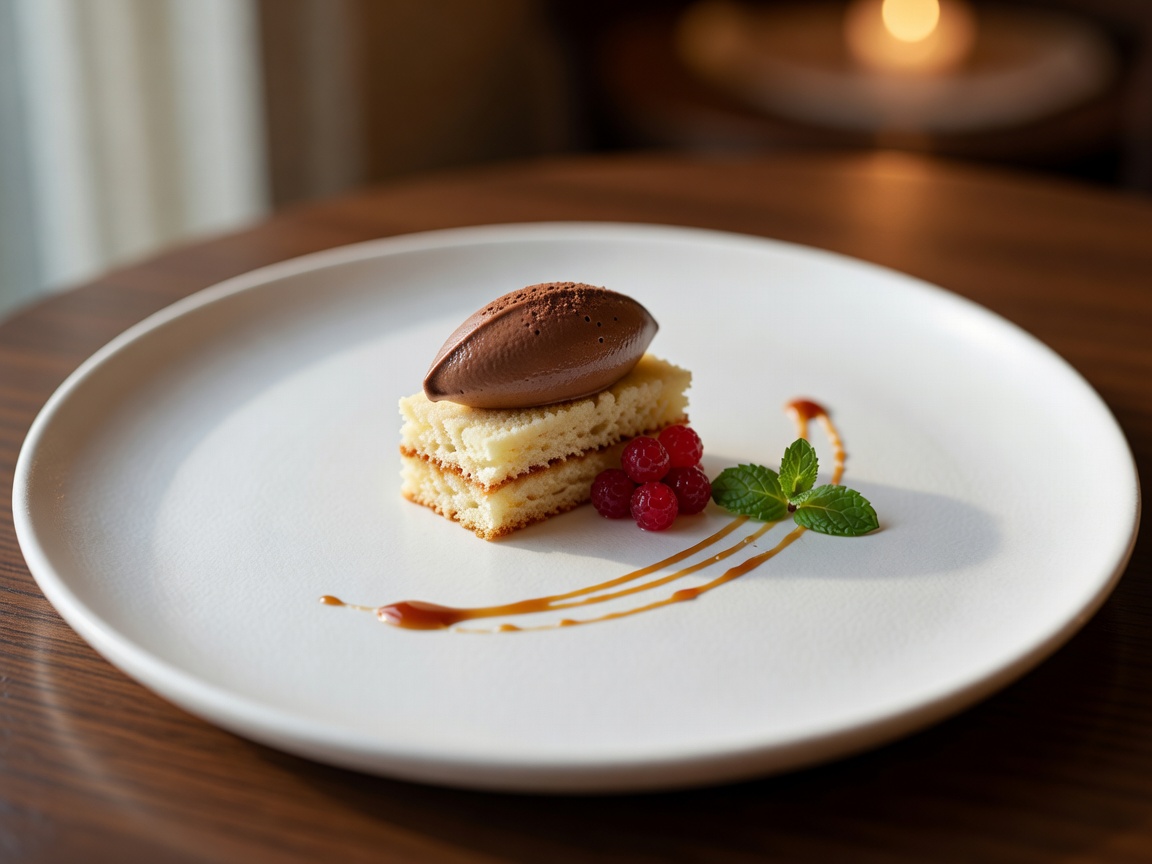
Soup can provide warmth and a change of texture. Rice might appear as a foundation throughout the meal, as sushi rice, or as a distinct course. Dessert can offer a gentle ending, but not every menu includes one. Beverage pairings may be offered separately or alongside courses; ask what is included and whether non-alcoholic options are available.
These are possible components, not a required sequence. A restaurant may omit any of them, combine them, or serve them in another order. A set menu with fixed courses may resemble a tasting menu while giving the guest less choice. Omakase describes the chef-led selection more than a universally recognized menu architecture.
How pacing shapes a meal
Pacing gives guests time to notice the dish in front of them and lets the kitchen coordinate preparation. Portion size, temperature, and texture affect how one course leads into another. A crisp or acidic element can feel different after a richer preparation; a warm broth can provide contrast to a cool dish. A chef may aim for such transitions, but no single progression is mandatory.
At a counter, courses may arrive one at a time, close to the moment of preparation. At a table, dishes may be served together or in larger intervals. Service pace and total duration vary, so ask before booking if you need to plan around a schedule. A slower meal is not automatically a longer or more elaborate one; staffing, format, and restaurant practice influence timing.
Choosing a format
| Menu type | What it may offer | General trade-off |
|---|---|---|
| Short omakase | A more focused chef-selected experience. | Less time and variety than a longer progression. |
| Longer tasting | More room for changes in ingredient and technique. | Requires more time and may be less flexible. |
| Sushi-focused | Attention centered on rice, toppings, and sushi forms. | May be less suited to guests seeking a broad cooked menu. |
| Seasonal Japanese menu | A wider range of preparations and ingredients. | Course composition can change with availability. |
| Fixed set menu | A known sequence described by the restaurant. | Choices or substitutions may be limited. |
An illustrative progression—not a template
A small seasonal opening → a vegetable or broth preparation → several sushi pieces → a cooked seasonal dish → rice or another closing savory course → dessert, if included. A real restaurant may use a different order or omit any of these elements.
Dietary needs and menu changes
Tell the restaurant about allergies and dietary restrictions before booking. A tasting format can leave less room for substitutions than ordering à la carte, and cross-contact concerns require clear communication. Ask whether the kitchen can accommodate the restriction rather than assuming it can. Menus may also change because ingredients are unavailable or the chef adjusts the day’s sequence.
Ask what the menu includes, whether beverages are separate, how much time to allow, and what cancellation terms apply. For current price, reservation details, and accessibility information, use the restaurant’s official information.
Good for
- Guests who enjoy a connected sequence rather than choosing every dish.
- Sushi fans interested in pacing and contrast.
- Diners willing to let ingredients guide the menu.
What to know
- There is no universal course count, order, or duration.
- Shorter and longer formats involve different trade-offs in time and variety.
- Communicate allergies and ask about all menu inclusions before booking.
Read more about omakase formats, seasonal ingredients, and dining etiquette.